There is a specific kind of magic that happens when you take a childhood classic and apply professional pastry techniques to it. These Brown Butter Snickerdoodles are not your average bakery cookie; they are a masterclass in texture and flavor contrast. We are moving far beyond the dry, cakey snickerdoodles of the past.
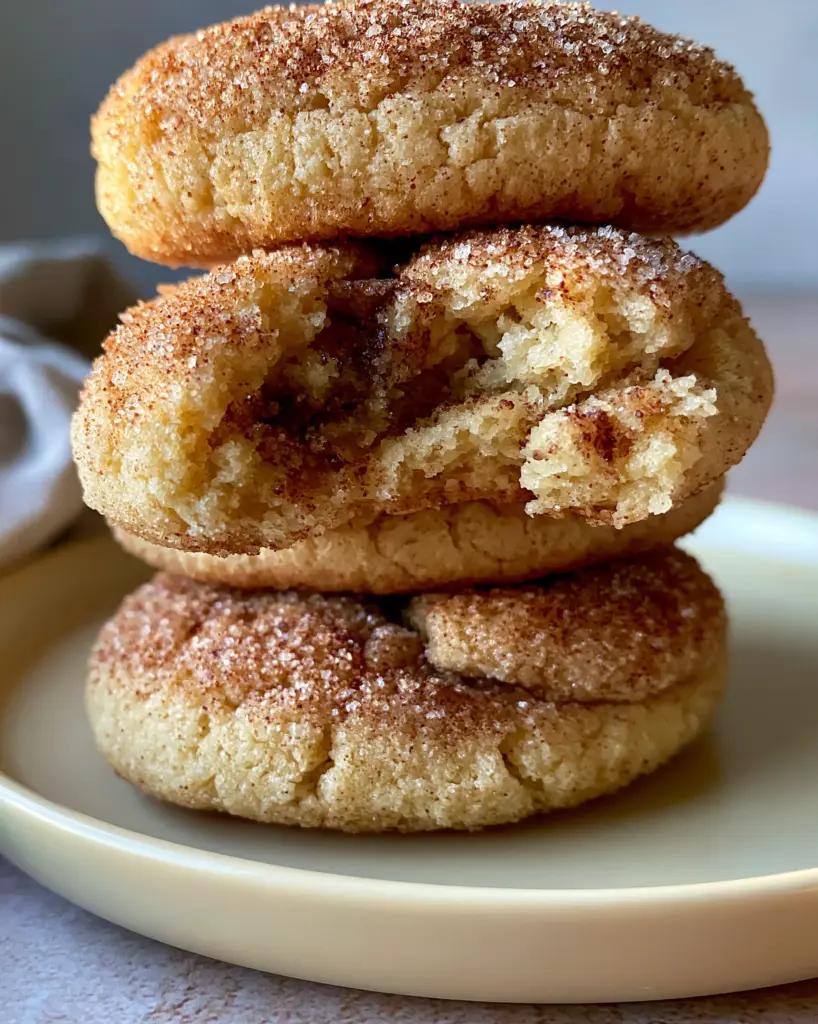
Imagine a cookie with a deeply crackled, golden-tan exterior that shatters slightly when you bite into it, giving way to an incredibly moist, dense, and fudgy center. The secret lies in the Maillard reaction—the browning of the butter solids—which introduces notes of toasted hazelnut and caramel that pair perfectly with a heavy coating of shimmering cinnamon sugar.
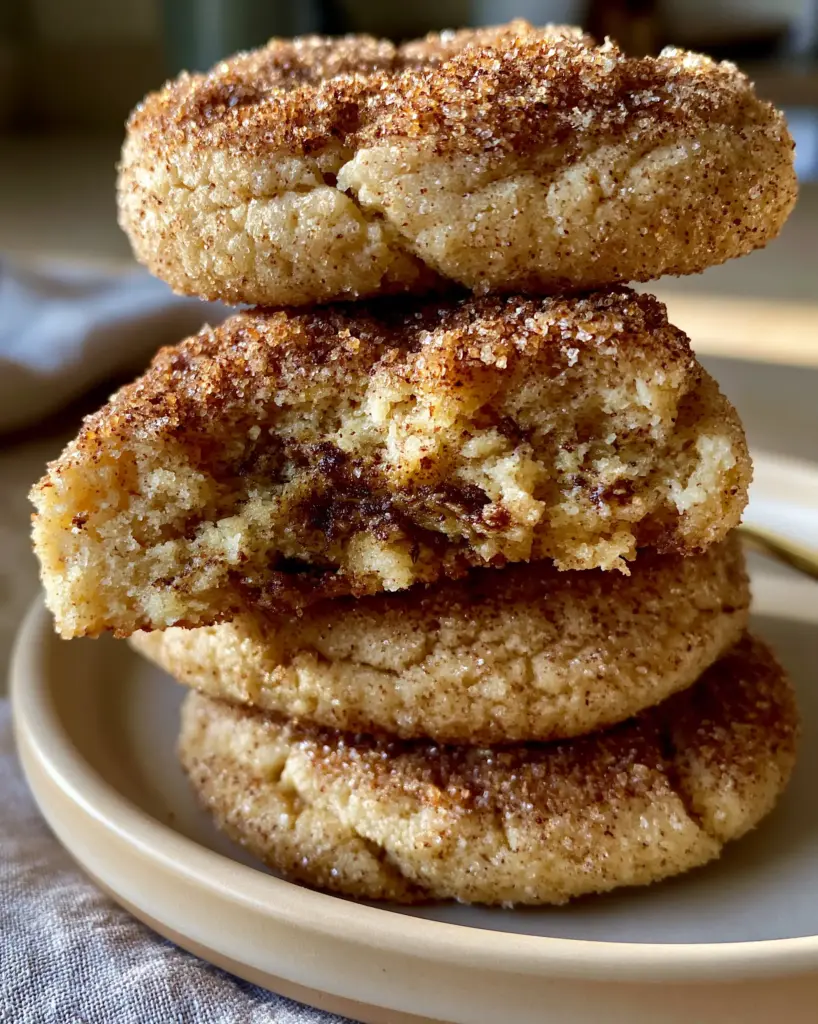
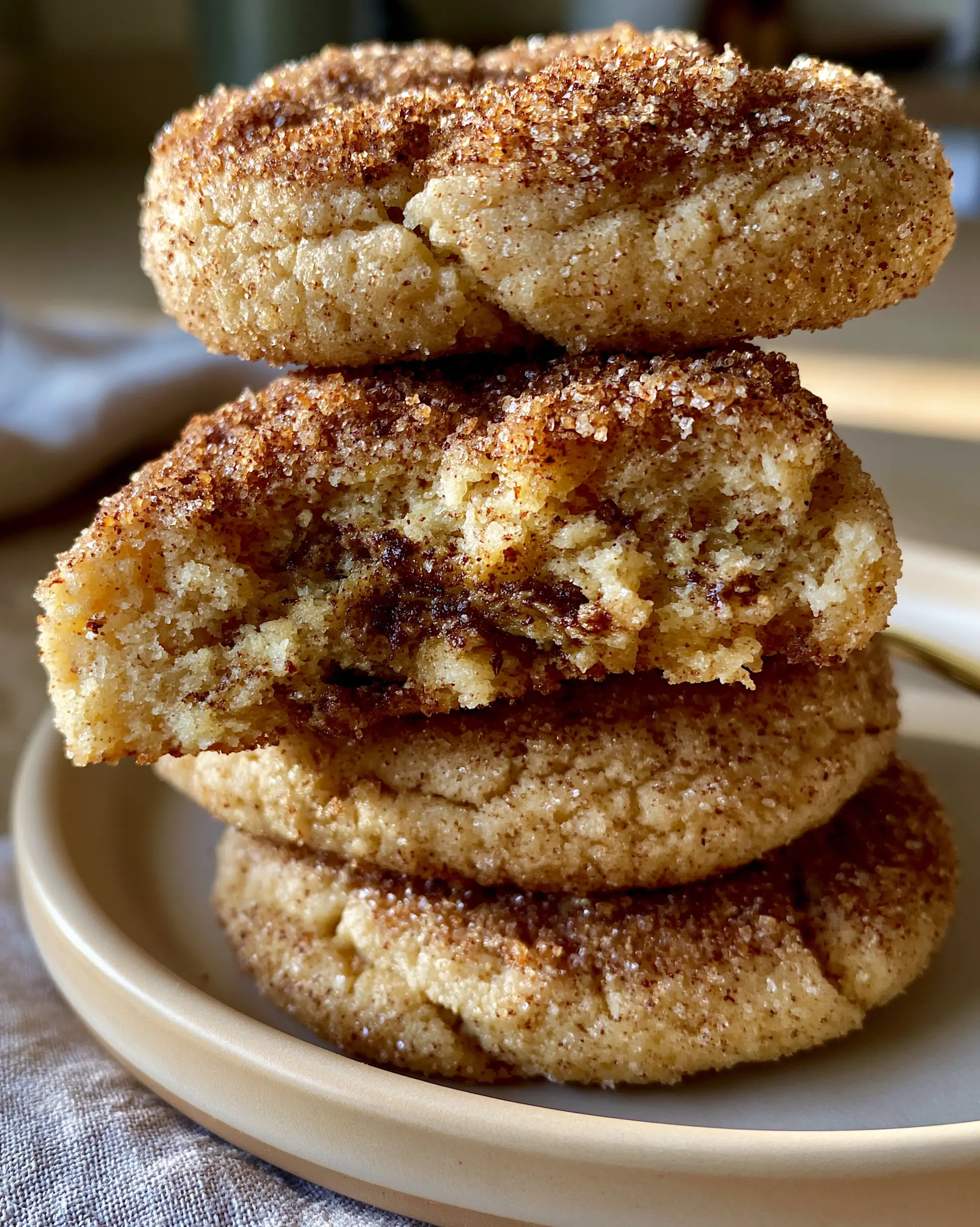
When you pull these out of the oven, the “golden hour” light in your kitchen will catch the oversized sugar crystals, making each cookie sparkle. If you break one open while it’s still warm, you will see those characteristic dark brown butter specks against a perfectly underbaked, soft crumb. This is the cookie recipe you’ve been searching for.
Why You Will Obsess Over These Crackled Brown Butter Snickerdoodles
- The Fudgy Factor: Unlike traditional snickerdoodles which can be airy, these have a dense, brownie-like interior that stays soft for days.
- Toasted Flavor Profile: By browning the butter, we add a sophisticated layer of complexity that balances the sweetness of the cinnamon sugar.
- Textural Contrast: The combination of a crackled exterior and a shimmering, oversized crystal coating provides a satisfying crunch before hitting the soft center.
- Visual Appeal: These cookies look like they walked out of a high-end food magazine, with visible brown butter specks and a perfect golden-tan hue.
The Essential Pantry Staples for Rich Brown Butter Snickerdoodles
Unsalted Butter: 1 cup (225g). We start with high-quality butter because we are going to evaporate the water content and toast the milk solids. This provides the “amber butter bits” mentioned in our culinary blueprint, which are essential for that nutty depth.
Granulated Sugar: 1 cup (200g) for the dough, plus 1/4 cup (50g) for coating. Sugar does more than sweeten; it provides the structural integrity and the moisture that creates that “fudgy” center. For the coating, we want those shimmering crystals to stand out.
Light Brown Sugar: 1/2 cup (110g). The molasses in brown sugar is the secret to the chewy, dense texture. It works alongside the brown butter to create a caramel-like flavor profile similar to our brown sugar pop tart cookies.
Large Eggs: 2 total, at room temperature. Eggs provide emulsification. Using room temperature eggs ensures they incorporate fully into the warm brown butter without curdling the mixture.
Cream of Tartar: 2 tsp (6g). This is the non-negotiable snickerdoodle ingredient. It provides the signature “tang” and prevents the sugar from crystallizing too quickly, which aids in that specific crackled texture.
All-Purpose Flour: 2 3/4 cups (345g). We use a precise amount of flour to ensure the cookies are thick and oversized rather than thin and spreading. Always measure by weight if possible for consistent results.
Ground Cinnamon: 1 tbsp (8g) for the coating. Use a high-quality Vietnamese or Ceylon cinnamon for the most aromatic results. It should be punchy enough to stand up to the rich butter.
Baking Soda: 1 tsp (5g). This reacts with the cream of tartar to create the lift and those beautiful surface cracks we are looking for.
Fine Sea Salt: 1/2 tsp (3g). Salt is a flavor enhancer that cuts through the sugar and highlights the toasted notes of the butter. If you enjoy salty-sweet combos, you might also love our peanut butter brownie recipe.
Professional Tools for the Perfect Cookie Stack
To achieve the visual result of a vertical stack of three thick, oversized cookies, you need the right equipment. A heavy-duty light-colored saucepan is essential for browning the butter, as it allows you to see the color change of the milk solids clearly.
I recommend using a large cookie scoop (about 3 tablespoons per cookie) to ensure they are “oversized.” For the baking surface, a matte ceramic plate for serving—as seen in our visual blueprint—complements the neutral linen aesthetic perfectly.
The Culinary Science of Browning Butter
Achieving the Amber Butter Bits
Place your butter in a small saucepan over medium heat. As the butter melts, it will begin to crackle and pop—this is the water evaporating. Once the crackling subsides, watch closely. The milk solids will begin to turn golden, then a deep toasted amber.
Swirl the pan constantly. The moment you smell a nutty aroma and see dark brown specks at the bottom, remove it from the heat. Transfer the butter, specks and all, into a heat-proof bowl to stop the cooking process. Do not strain it; those specks are concentrated flavor.
Step-by-Step Instructions for the Perfect Fudgy Center
Preparing the Brown Butter Base
Allow your toasted amber butter to cool for about 20 minutes until it is no longer hot but still liquid. In a large bowl, whisk together the cooled brown butter, 1 cup (200g) granulated sugar, and 1/2 cup (110g) brown sugar. The mixture should look dark and glossy.
Emulsifying the Dough
Add the eggs one at a time, whisking vigorously after each addition. You are looking for a visual change here: the batter should become slightly paler and very smooth. Stir in the vanilla extract if using. This emulsion is what creates the “moist, dense” crumb in the final bake.
Folding in the Dry Ingredients
In a separate bowl, sift together the flour, cream of tartar, baking soda, and sea salt. Using a silicone spatula, gently fold the dry ingredients into the wet butter mixture. Stop as soon as no flour streaks remain. You should see visible dark brown butter specks throughout the dough.
The Chilling Phase
For the best “crackled” exterior, chill the dough for at least 30 minutes. This prevents the cookies from spreading too thin and ensures they stay thick and “oversized.” While the dough chills, preheat your oven to 350°F (175°C).
Creating the Shimmering Coating
In a small bowl, combine the remaining 1/4 cup (50g) granulated sugar and 1 tbsp (8g) cinnamon. For extra sparkle, you can use “sparkling sugar” or “sanding sugar” which has larger crystals. Roll 3-tablespoon sized balls of dough in the mixture until they are heavily encrusted.
The “Underbaked” Technique
Place the cookies on a parchment-lined sheet. Bake for 9-11 minutes. The sensory cue you are looking for is “puffed and just set at the edges.” The centers should still look slightly soft and “underbaked.” They will firm up on the pan, creating that fudgy, soft cookie center we want.
Expert Tips for Snickerdoodle Success
- Don’t Scrimp on the Specks: Those brown bits in the butter are the soul of this recipe. Make sure they all make it into the dough.
- Room Temp Eggs are Vital: Cold eggs will cause the brown butter to seize up, leading to a clumpy dough.
- The “Pan Bang”: If your cookies aren’t crackling as much as you’d like, gently tap the baking sheet on the oven rack halfway through baking.
- Oversized Crystals: For that “shimmering” look, mix a little coarse sea salt or decorative sparkling sugar into your cinnamon sugar coating.
Storage, Reheating, and Freezing
These cookies stay incredibly soft due to the high moisture content of the brown butter and sugars. Store them in an airtight container at room temperature for up to 5 days. They actually taste even better on day two as the cinnamon spice mellows into the butter.
To freeze, roll the dough into balls and coat them in the sugar mixture, then freeze on a tray before transferring to a bag. You can bake them straight from the freezer—just add 2 minutes to the bake time. This is a great trick to have on hand, much like keeping a batch of easy breakfast muffins ready for the week.
What to Pair with Brown Butter Snickerdoodles
These cookies are rich, so they pair beautifully with a cold glass of milk or a hot cup of coffee. If you are serving these as part of a dessert spread, they complement the creamy texture of a peanut butter cheesecake or the tartness of fruit-based desserts.
For a holiday gathering, consider serving them alongside pumpkin cheesecake balls for a full autumnal flavor experience. The warm spices in the snickerdoodles make them a natural fit for any festive occasion.
Frequently Asked Questions
Cream of tartar is essential for the signature snickerdoodle ‘tang’ and the specific crackled texture. While you can substitute with lemon juice or white vinegar, the texture will be more similar to a standard sugar cookie.
Use a mix of standard granulated sugar and a coarser ‘sparkling’ or ‘sanding’ sugar for the coating. The larger crystals reflect light better and provide a more distinct crunch.
No! Those dark amber bits are concentrated flavor. To achieve the visible specks and deep toasted aroma shown in the recipe, you must include all the browned solids in your dough.
Browning the butter removes water and toasts the milk solids, adding a rich, nutty flavor that balances the sweetness and contributes to a denser, more fudgy texture compared to standard butter.
Cracking usually happens when the leavening agents (baking soda and cream of tartar) react. Ensure your ingredients are fresh and avoid over-mixing the dough. Chilling the dough also helps create a temperature contrast that encourages surface cracking.
The Best Brown Butter Snickerdoodle Recipe
Brown Butter Snickerdoodles: The Ultimate Fudgy and Crackled Cookie Recipe
Ingredients
Equipment
Method
- Melt butter in a saucepan over medium heat. Cook until the crackling stops and amber butter bits form at the bottom. The butter should smell nutty and have visible dark specks.
- Transfer the butter and all the browned bits to a large heat-proof bowl. Let cool for 20 minutes.
- Whisk the cooled brown butter with granulated and brown sugars until glossy.
- Whisk in room temperature eggs one at a time until the mixture is smooth and slightly thickened.
- Fold in the flour, cream of tartar, baking soda, and salt until no flour streaks remain.
- Chill dough for 30 minutes. Use a large scoop to form oversized balls.
- Roll balls in the cinnamon sugar mixture until heavily encrusted.
- Bake at 350°F (175°C) for 9-11 minutes until edges are set but the centers remain soft and underbaked for a fudgy texture.
Notes
Do not overbake! The cookies should look slightly underbaked when pulled from the oven to maintain a fudgy center.
Conclusion: The Ultimate Warm and Detailed Crumb
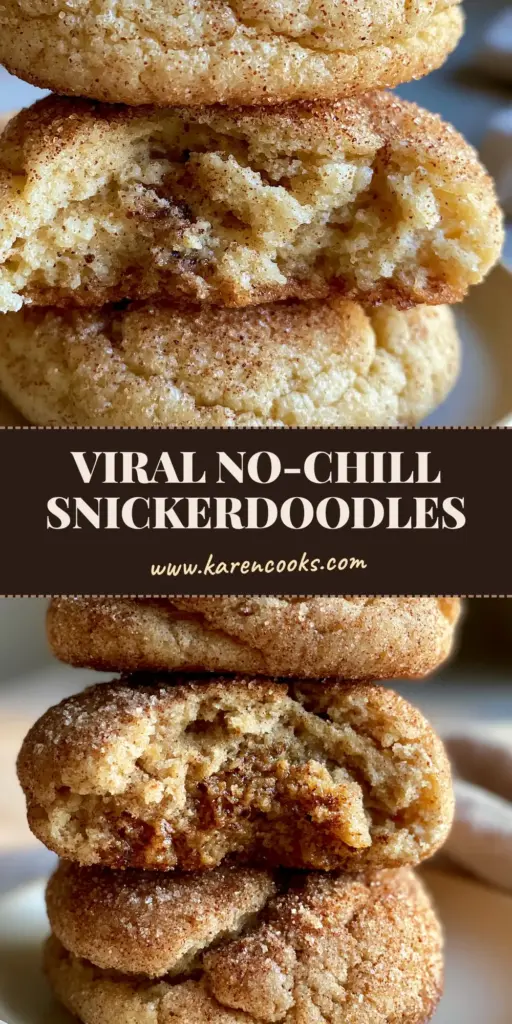
By focusing on the quality of the butter and the precision of the bake time, you’ve created a Brown Butter Snickerdoodle that stands head and shoulders above the rest. The shimmering sugar crystals, the deep tan cracks, and that “hyper-detailed” soft crumb make this a sensory experience as much as a snack.
If you made these, please leave a comment below and let me know how those “amber butter bits” transformed your baking! Don’t forget to share your photos and tag karen_cooks_official on Pinterest so I can see your beautiful cookie stacks.