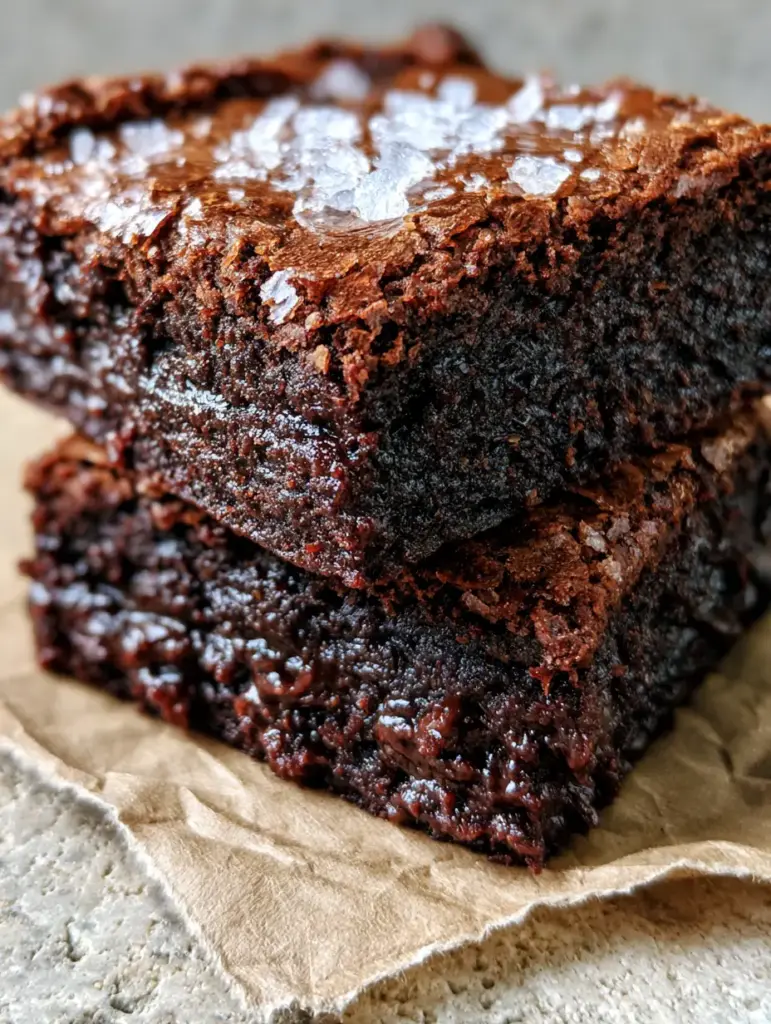
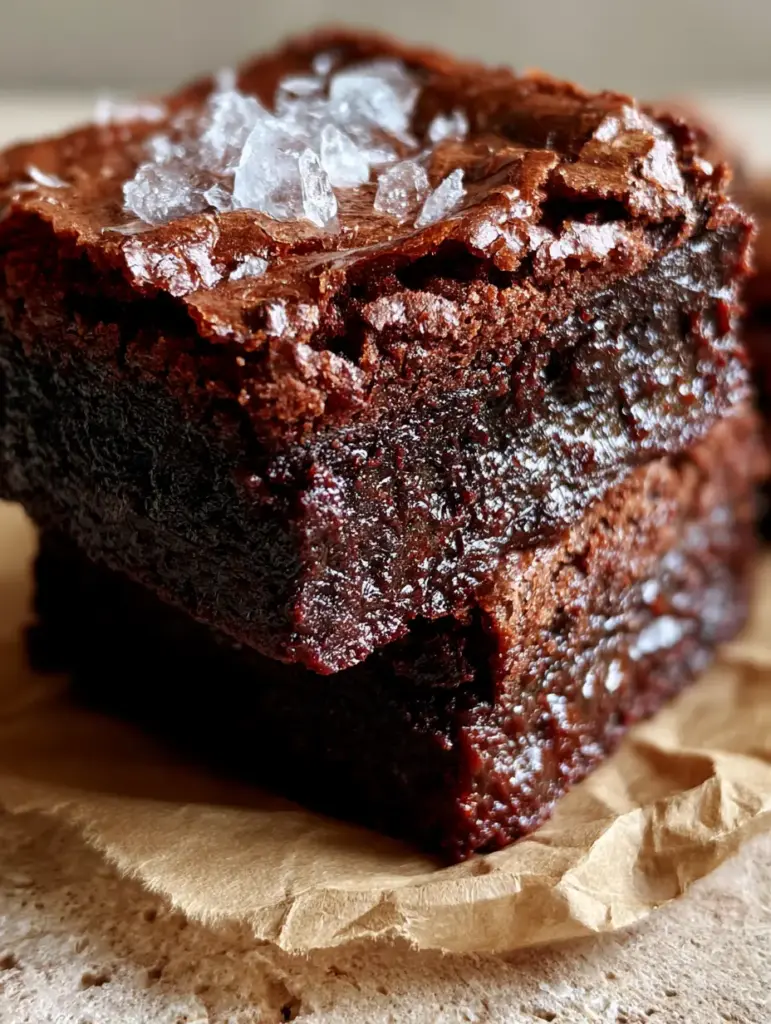
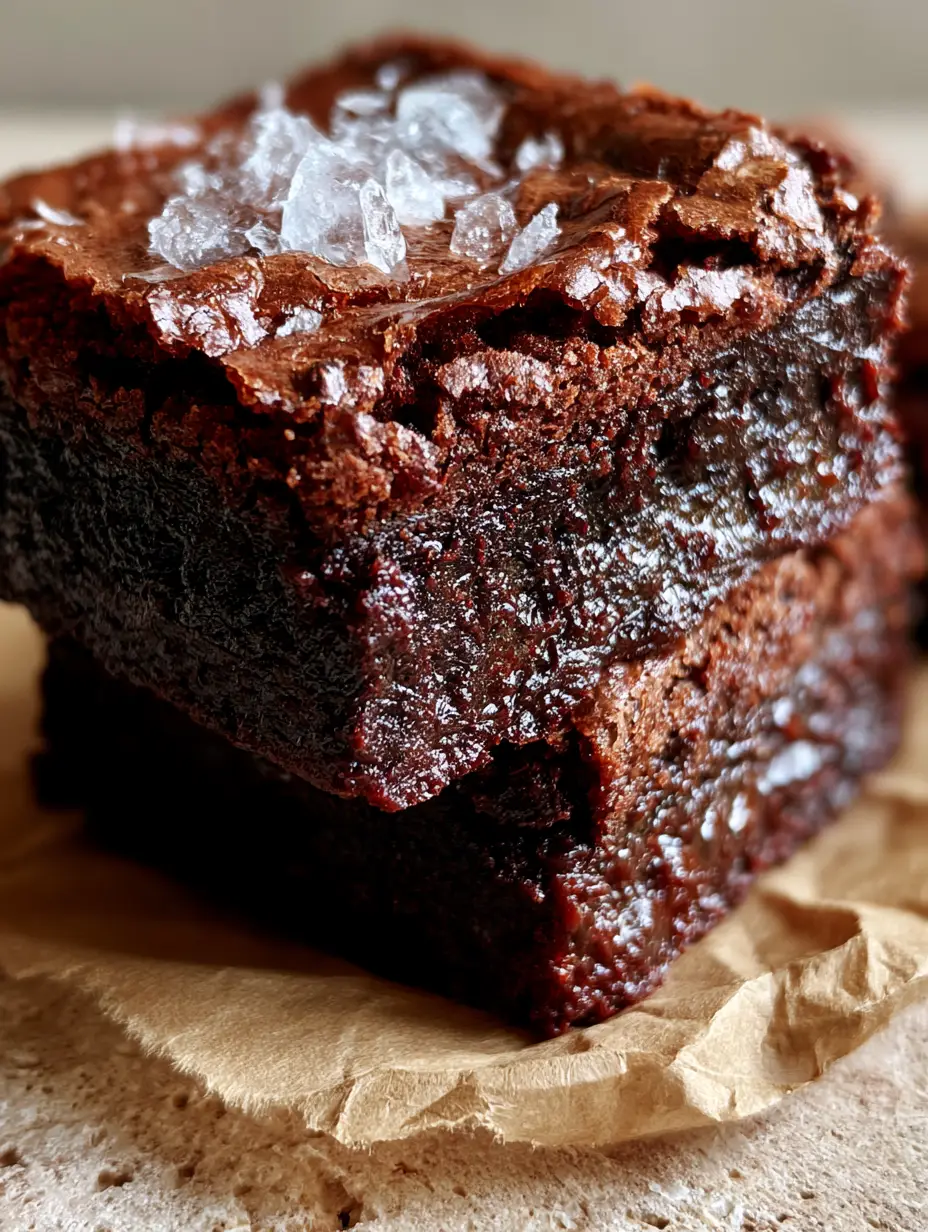
There is a specific, almost architectural beauty to the perfect brownies recipe. It is not just about the flavor; it is about the structural contrast between a paper-thin, crackly top crust and a dense, mahogany-dark center that borders on molten.
When you bite through that delicate, meringue-like surface, your teeth should sink into a fudgy interior that feels heavy and rich. This brownies recipe is designed to replicate that high-end bakery experience, complete with micro-fissures on the surface and pockets of melted chocolate throughout.
Achieving this visual and textural masterpiece requires more than just mixing ingredients; it requires a forensic understanding of sugar aeration and fat emulsification. If you have ever wondered why some brownies come out cakey while others stay gooey, this guide will unlock those culinary secrets for you.
The Anatomy of a Gourmet Fudgy Brownie
- The Meringue Crust: A meticulously detailed, paper-thin, shiny crust that catches the light and shatters upon impact.
- The Mahogany Core: An ultra-fudgy, dark cocoa interior that remains moist and heavy without being underbaked.
- Molten Pockets: Strategically placed chunks of high-quality chocolate that create gooey reservoirs within the dense crumb.
- The Salt Contrast: A deliberate sprinkle of translucent, coarse sea salt crystals to cut through the intense chocolate richness.
The Secret Pantry for This Iconic Brownies Recipe
Every ingredient in this brownies recipe serves a dual purpose: flavor profile and structural integrity. We aren’t just making a dessert; we are engineering a texture that matches our visual blueprint perfectly.
Unsalted European-Style Butter: Use 1 cup (225g) of high-fat butter. This provides the foundational fat needed for that “melt-in-your-mouth” fudgy quality that sets this apart from a box mix.
Semi-Sweet Chocolate (60% Cacao): You will need 8 oz (225g) of chopped chocolate bars rather than chips. Real chocolate bars contain more cocoa butter, which helps create those molten chocolate pockets described in our visual prompt.
Dutch-Processed Cocoa Powder: 3/4 cup (75g) provides the deep mahogany color. Dutch-processing neutralizes the acidity, allowing the chocolate flavor to feel more “rounded” and intense.
Granulated and Light Brown Sugar: A mix of 1 cup (200g) granulated and 1/2 cup (110g) brown sugar is vital. The granulated sugar is what creates that crackly top, while the brown sugar adds moisture and chew.
Large Room-Temperature Eggs: 3 large eggs are the leavening powerhouse. Because this brownies recipe uses no baking powder, the air whipped into the eggs is what creates the lift and the delicate top crust.
All-Purpose Flour: Just 3/4 cup (95g) is used here. A low flour-to-fat ratio is the scientific secret to ensuring your brownies remain fudgy rather than turning into a chocolate cake.
Coarse Flaky Sea Salt: A generous pinch (about 1 tsp) for the batter and extra for the garnish. This provides the translucent crystals that catch the light in your final presentation.
Pure Vanilla Extract: 1 tbsp (15ml) acts as a flavor enhancer. Much like salt in savory cooking, vanilla makes the chocolate taste more like “chocolate.”
Essential Tools for Precision Baking
To achieve the “extreme macro” level of perfection seen in our visual guide, you need the right equipment. Using the wrong pan size can turn a thick square into a thin, overbaked wafer.
An 8×8 inch (20×20 cm) square metal baking pan is mandatory. Metal conducts heat more efficiently than glass, ensuring those edges get perfectly set while the center remains gooey.
You will also need a piece of natural brown parchment paper. Crinkling it before lining the pan not only prevents sticking but also gives the brownies that rustic, artisanal look when photographed.
A high-quality whisk or an electric hand mixer is essential for the “meringue stage.” Without vigorous whisking, you will never achieve those intricate micro-fissures on the crust.
Step-by-Step: Engineering the Perfect Brownies Recipe
Phase 1: The Chocolate Melt and Cocoa Bloom
Begin by preheating your oven to 350°F (175°C). Line your pan with the crumpled parchment paper, leaving an overhang on the sides for easy removal.
In a medium microwave-safe bowl, combine your butter and 4 oz (110g) of the chopped chocolate. Heat in 30-second bursts, stirring until the mixture is glossy and smooth.
While the mixture is hot, whisk in the Dutch-processed cocoa powder. This “blooms” the cocoa, releasing its volatile flavor compounds and deepening the mahogany hue of the batter.
Phase 2: The Meringue Secret (Don’t Skip This!)
In a separate large bowl, combine the granulated sugar, brown sugar, vanilla, and eggs. Using a whisk or hand mixer, beat these ingredients vigorously for 3-5 minutes.
You are looking for a visual cue: the mixture should turn pale, thick, and ribbon-like. This aeration is exactly how we achieve the paper-thin crackly top crust mentioned in the blueprint.
Gently fold the melted chocolate mixture into the egg mixture. Do this slowly to ensure you don’t deflate all the air you just worked so hard to incorporate.
Phase 3: The Fold and the Molten Pockets
Sift the flour and salt over the wet ingredients. Using a rubber spatula, fold the flour in until just combined—stop as soon as you see no more white streaks.
Now, fold in the remaining 4 oz (110g) of chopped chocolate chunks. These chunks won’t fully melt into the batter; instead, they will create those gooey, molten chocolate pockets.
Pour the batter into your prepared pan. Smooth the top with a spatula, ensuring the batter reaches all four corners for those perfect thick squares.
Phase 4: The Bake and the Sensory Cues
Bake for 25-30 minutes. Around the 20-minute mark, your kitchen will begin to smell like toasted cocoa and caramelized sugar.
The visual cue for readiness is the crust: it should be set, shiny, and starting to show those delicate micro-fissures. A toothpick inserted into the center should come out with moist crumbs, but not raw batter.
Immediately upon removing the pan from the oven, sprinkle the coarse sea salt crystals over the top. The heat will help them adhere to the crackly surface without dissolving them.
Expert Tips for Bakery-Style Results
- The “Tap” Method: Halfway through baking, lift the pan and gently tap it against the oven rack. This pops any large air bubbles and creates a more even, dense fudgy center.
- Temperature Matters: Ensure your eggs are truly room temperature. Cold eggs can cause the melted butter to seize, resulting in a grainy texture.
- Don’t Overbake: Brownies continue to cook in the hot pan after being removed. If they look “done” in the center, they are likely already overbaked.
- Wait for the Set: As tempting as it is, you must let these cool completely in the pan. This allows the molten pockets to stabilize and the fudgy center to reach its maximum density.
The Best Way to Store and Enjoy Your Brownies
Store these brownies in an airtight container at room temperature for up to 4 days. For an extra-fudgy experience, many enthusiasts prefer them chilled in the refrigerator.
To freeze, wrap individual squares in plastic wrap and place them in a freezer bag. They will stay fresh for up to 3 months. Simply thaw at room temperature for an hour before serving.
If you love this deep chocolate profile, you might also enjoy making moist chocolate muffins for a breakfast treat. If you prefer a bit of variety in your bars, check out our peanut butter brownies.
Creative Pairings for the Ultimate Dessert
While these brownies are a powerhouse on their own, pairing them can elevate the experience. A cold glass of milk is the classic choice, but the intensity of the dark cocoa also pairs beautifully with fruit.
Try serving a warm square with a drizzle of fresh strawberry sauce to add a bright acidity that cuts through the fat. For a more decadent plate, serve alongside a scoop of vanilla bean ice cream.
If you are hosting a party, these brownies make a great addition to a dessert spread alongside classic rice krispie treats or even a decadent drumstick pie.
Frequently Asked Questions
This recipe uses both. Cocoa powder provides a deep mahogany color and intense flavor, while melted chocolate adds the fat necessary for a fudgy, moist texture.
Let the brownies cool completely, then chill them in the fridge for 1 hour. Use a large sharp knife and wipe it clean with a hot damp cloth between every single cut.
Dutch-processed cocoa is preferred here for its dark color and smooth flavor. Natural cocoa is more acidic and may change the texture and rise of the brownie.
Fudgy brownies have a higher fat-to-flour ratio and usually contain no chemical leaveners like baking powder. Cakey brownies have more flour and use baking powder for lift.
The crackly top is caused by a thin layer of meringue. If you didn’t whisk your eggs and sugar long enough to fully dissolve the sugar and aerate the eggs, the crust won’t form.
The Definitive Brownies Recipe Card
Brownies Recipe: The Ultimate Ultra-Fudgy Crackle-Top Guide
Ingredients
Equipment
Method
- Preheat oven to 350°F (175°C). Line an 8x8 pan with crumpled natural brown parchment paper.
- Melt butter and half the chopped chocolate together until smooth. Whisk in cocoa powder to bloom.
- Beat eggs, granulated sugar, and brown sugar for 3-5 minutes until pale and thick for the crackly top.
- Gently fold the chocolate mixture into the egg mixture. Sift in flour and salt, folding until just combined.
- Fold in the remaining chocolate chunks to create molten pockets.
- Pour into pan and bake for 25-30 minutes. Look for a shiny crust and micro-fissures.
- Remove from oven and immediately sprinkle with coarse sea salt crystals.
Notes
Use high-quality chocolate bars, not chips, for the best molten pockets.
Closing the Book on the Perfect Brownie
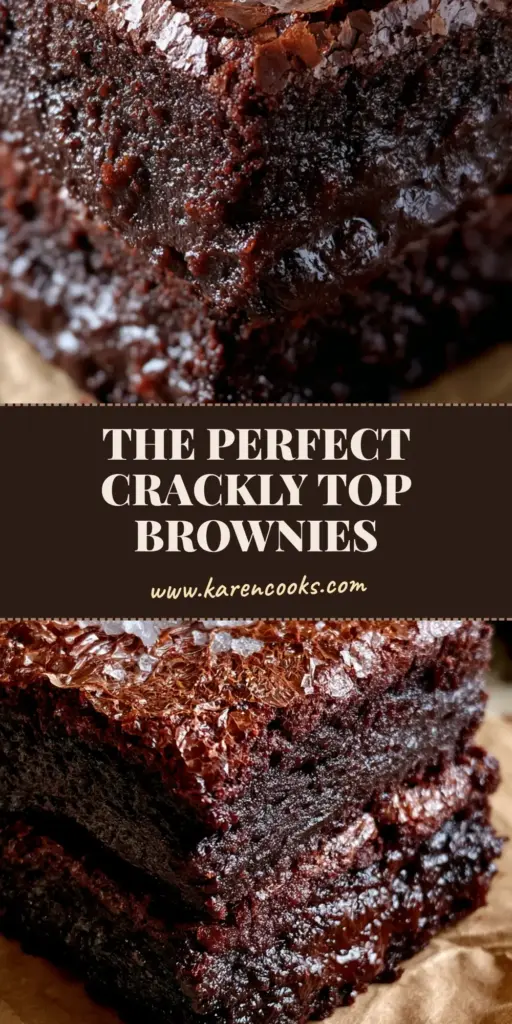
Mastering this brownies recipe is a rite of passage for any home baker. By focusing on the science of the crackly top and the luxury of the fudgy center, you’ve created a dessert that is as visually stunning as it is delicious.
We would love to see your results! Did you get those perfect micro-fissures on the crust? Leave a comment below and share your baking journey. Don’t forget to save this recipe to your dessert board on Pinterest so you never lose it!