Finding a sophisticated non-alcoholic drink recipe that rivals the complexity of a craft cocktail can feel like a daunting task for the modern home host. Often, spirit-free options lean too heavily into sugary syrups or fruit juices, losing the dry, crisp edge that defines a true adult beverage. This recipe changes that narrative by focusing on botanical aromatics and structural clarity.
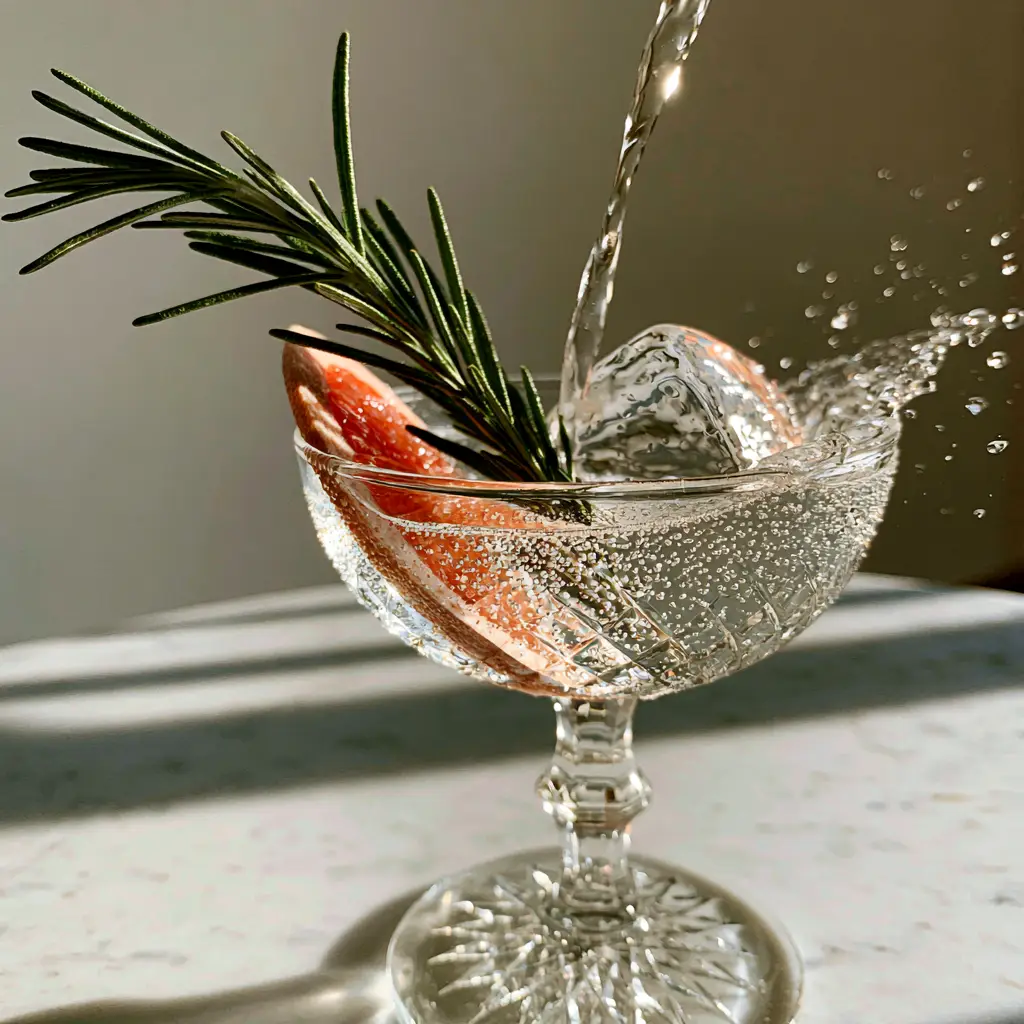
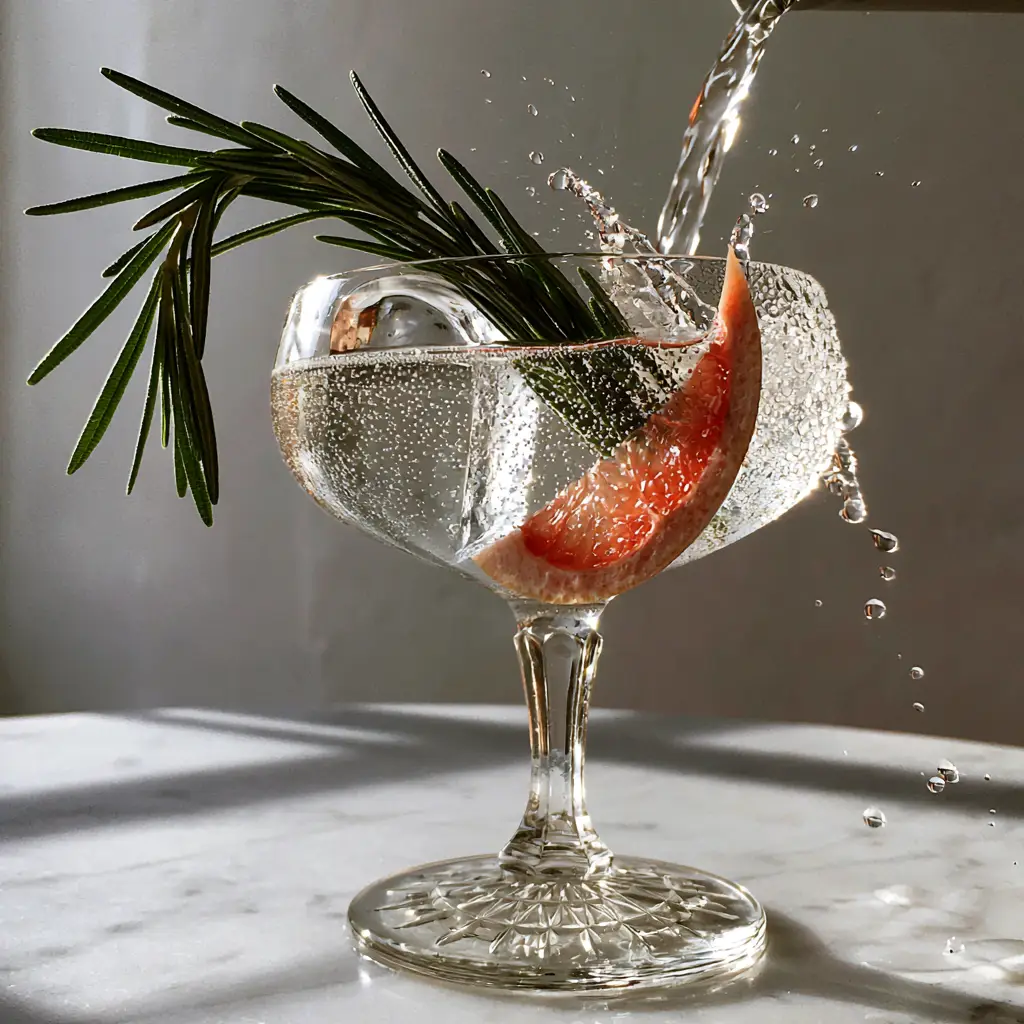
Imagine a crystal coupe glass, frosted with delicate condensation droplets, catching the soft glow of a warm afternoon sun. Inside, a single, perfectly clear artisanal ice cube sits submerged in a sea of effervescent bubbles. This isn’t just a drink; it’s a sensory experience designed for those who appreciate the finer details of mixology without the alcohol.
Whether you are hosting an elegant brunch or looking for a refined weeknight refresher, this botanical tonic bridges the gap between health-conscious living and high-end lifestyle aesthetics. The sharp citrus of ruby red grapefruit meets the woody, evergreen notes of fresh rosemary in a dance of crisp textures and vibrant flavors.
Why This Refined Botanical Tonic is the Ultimate Spirit-Free Selection
- Structural Sophistication: Unlike muddled drinks, this recipe maintains a pristine, clear aesthetic that highlights the “artisanal” quality of the ice and garnish.
- Aromatic Depth: By using a long sprig of fresh rosemary, we introduce olfactory layers that evolve as you sip, mimicking the complexity of a gin-based botanical.
- Low-Sugar Profile: By utilizing high-quality tonic water rather than heavy sodas, the flavor profile remains dry, sophisticated, and incredibly refreshing.
- Visual Masterpiece: From the crescent-shaped grapefruit slice to the steady stream of pouring liquid creating a delicate splash, this drink is built for the camera and the palate.
The Botanical Components for This Sophisticated Tonic
To achieve the level of “culinary forensics” required for this specific visual blueprint, every ingredient must be of the highest quality. We aren’t just mixing liquids; we are layering textures and temperatures.
Premium Sparkling Tonic Water (1 cup / 240ml): Choose a tonic with high carbonation and real quinine. This provides the “tiny effervescent bubbles” seen in the visual prompt and a necessary bitterness to ground the drink.
Ruby Red Grapefruit (1 Thin Crescent Slice): The “ruby red” interior provides a stunning color contrast against the white marble background. The oils in the peel add a zesty brightness to the aroma profile.
Fresh Green Rosemary (1 Long Sprig): A single, elegant sprig serves as the botanical backbone. It must be fresh to ensure the needles are a vibrant green and the aromatic oils are potent.
Artisanal Clear Ice (1 Large Square Cube): Achieving a “perfectly clear” cube is essential for the upscale look. This requires filtered water and a specific freezing process to eliminate trapped air and impurities.
Filtered Water (For Ice): Using distilled or highly filtered water is the “invisible ingredient” required for structural clarity. It ensures the ice remains a transparent centerpiece rather than a cloudy distraction.
Essential Equipment for a Professional Presentation
To replicate the high-end lifestyle aesthetic of a bistro, your tools matter just as much as your ingredients. You cannot achieve “chilled crystal” and “condensation droplets” without the right vessels.
Crystal Coupe Glass: The wide, shallow bowl of a coupe glass allows the aromatics of the rosemary to reach your nose immediately. It also provides the perfect stage for the large ice cube and grapefruit crescent.
Directional Freezing Ice Mold: This is the secret to the “large square clear ice cube.” These molds push air bubbles to the bottom, leaving a crystal-clear block at the top.
Mandoline or Sharp Chef’s Knife: To get that “thin, elegant crescent slice” of grapefruit, you need precision. A thin slice allows the fruit to tuck gracefully against the side of the glass without displacing too much liquid.
Mastering the Clear Ice and Botanical Prep
Step 1: Engineering the Perfectly Clear Ice Cube
Start this process 24 hours in advance. Use filtered water and fill your directional freezing mold. This method ensures that the “one large, perfectly clear artisanal ice cube” mentioned in our blueprint is truly transparent.
Once frozen, remove the block and use a serrated knife to gently score and snap the ice into a large square. Store these in a sealed container in the freezer until the very moment of assembly to prevent frosting on the surface.
Step 2: Preparing the Grapefruit Garnish
Wash your ruby red grapefruit thoroughly to remove any wax. Using a sharp knife, cut a thin round from the center of the fruit, then cut that round in half to create a crescent.
This “thin, elegant crescent slice” should be pliable. Avoid thick chunks, as they won’t sit flush against the side of the crystal coupe glass as seen in the visual prompt.
Step 3: Activating the Rosemary Sprig
Select a long, fresh sprig of green rosemary. To release the aromatic oils without bruising the leaves, gently “slap” the sprig against your palm once or twice.
This ensures that as the rosemary “leans gracefully against the rim,” it provides an immediate botanical scent that enhances the flavor of the non-alcoholic drink recipe.
Assembling the Botanical Tonic for Maximum Visual Impact
Step 4: Chilling the Crystal Coupe
Place your crystal coupe glass in the freezer for at least 10 minutes. This is vital for creating the “fresh droplets on the glass exterior” and the “condensation droplets” described in the blueprint.
The temperature differential between the cold glass and the warm afternoon sun creates that sought-after lifestyle aesthetic. Remove the glass only when you are ready to pour.
Step 5: The Precise Layering Technique
Place your large clear ice cube into the center of the chilled coupe. Immediately tuck the grapefruit crescent against the side of the glass, wedging it slightly between the ice and the crystal wall.
Insert the rosemary sprig so it stands tall, leaning against the rim. Positioning the garnishes *before* the liquid ensures they stay in place and look “graceful” rather than floating haphazardly.
Step 6: The Perfect Pour and Effervescence
Slowly pour the chilled sparkling tonic water directly over the ice cube. Use a steady stream to create that “delicate splash” and “tiny effervescent bubbles” captured in the visual prompt.
The tonic should fill the glass until it is approximately half an inch from the rim. The bubbles will rise and dance around the rosemary and grapefruit, creating a lively, crisp texture.
Expert Tips for a Five-Star Spirit-Free Experience
- Temperature Control: Ensure your tonic water is as cold as possible before pouring. Carbon dioxide stays dissolved better in colder liquids, resulting in more “tiny effervescent bubbles.”
- Rosemary Quality: If your rosemary looks wilted, submerge it in ice water for 5 minutes to crisp it up. Vibrant green color is key for the “botanical cocktail” look.
- The “Slap” Technique: Never muddle the rosemary for this recipe. Muddling creates a bitter, cloudy mess. A simple “slap” releases the scent while keeping the liquid crystal clear.
- Crystal Clarity: If your ice cube has a white film on it, quickly rinse it under cold water before placing it in the glass. This “polishes” the ice for that artisanal finish.
Shelf Life and Make-Ahead Advice
This non-alcoholic drink recipe is best enjoyed immediately to appreciate the carbonation and the “fresh droplets” on the glass. However, you can prepare components in advance.
The clear ice can be made days in advance and stored in a freezer bag. The grapefruit crescents can be sliced and kept in a damp paper towel in the fridge for up to 4 hours. Do not pour the tonic until the exact moment of serving, as the effervescence will fade within 15-20 minutes.
Sophisticated Pairings for Your Botanical Tonic
To turn this drink into a full culinary event, consider what you serve alongside it. The crispness of the tonic cuts through rich flavors perfectly.
For a light snack, these salted caramel treats offer a sweet-and-salty contrast to the bitter tonic. If you’re hosting a sophisticated dessert hour, try pairing it with red velvet cupcakes for a striking color palette on your bistro table.
If you enjoy the botanical notes here, you might also want to explore our hibiscus and rose mocktail or a spicy pineapple ginger beer mocktail for your next gathering. This recipe also fits beautifully into a menu of hydrating drink recipes for hot summer days.
Frequently Asked Questions Regarding Botanical Mocktails
While rosemary provides a specific woody aroma, you can use fresh thyme or basil for a different botanical profile, though the visual aesthetic will change slightly.
The secret is ‘directional freezing.’ By using an insulated mold that forces the water to freeze from the top down, air and impurities are pushed to the bottom, leaving a crystal-clear cube.
Yes, standard tonic water is a carbonated soft drink containing quinine and is entirely non-alcoholic. However, always check the label for specific ‘hard tonic’ variations which are different.
Botanical mocktails focus on herbal, floral, or root-based aromatics (like rosemary, quinine, or hibiscus) rather than just sweetness, providing a more complex and adult flavor profile.
Condensation requires a temperature difference. Ensure your glass is thoroughly chilled in the freezer and that your tonic water is ice-cold before pouring.
The Sparkling Rosemary Grapefruit Tonic Recipe Card
Non-alcoholic drink recipe: The Sparkling Rosemary Grapefruit Botanical Tonic
Ingredients
Equipment
Method
- Place the crystal coupe glass in the freezer for 10 minutes until a layer of frost forms, ensuring future condensation droplets.
- Slice a thin crescent of ruby red grapefruit and gently slap the rosemary sprig against your hand to release the essential oils.
- Place one large clear ice cube into the chilled glass. Tuck the grapefruit crescent between the ice and the side of the coupe glass.
- Prop the long rosemary sprig against the rim of the glass so it leans gracefully.
- Slowly pour the chilled tonic water over the ice cube, creating a delicate splash and watching the tiny bubbles rise.
Notes
Ensure the tonic is opened fresh for maximum effervescence.
Closing the Loop on This Sophisticated Sipper
Mastering a high-end non-alcoholic drink recipe is about more than just the ingredients; it’s about the intention behind the presentation. By focusing on the “crisp textures of the herb” and the “perfectly clear artisanal ice,” you elevate a simple tonic into a botanical masterpiece.
We hope this guide inspires you to take your spirit-free hosting to the next level. If you enjoyed this recipe, please leave a comment below and let us know how your clear ice turned out! Don’t forget to share your beautiful bistro-style photos with us on Pinterest.
For more inspiration, check out our full library of non-alcoholic mocktails and homemade drink recipes. Happy mixing!